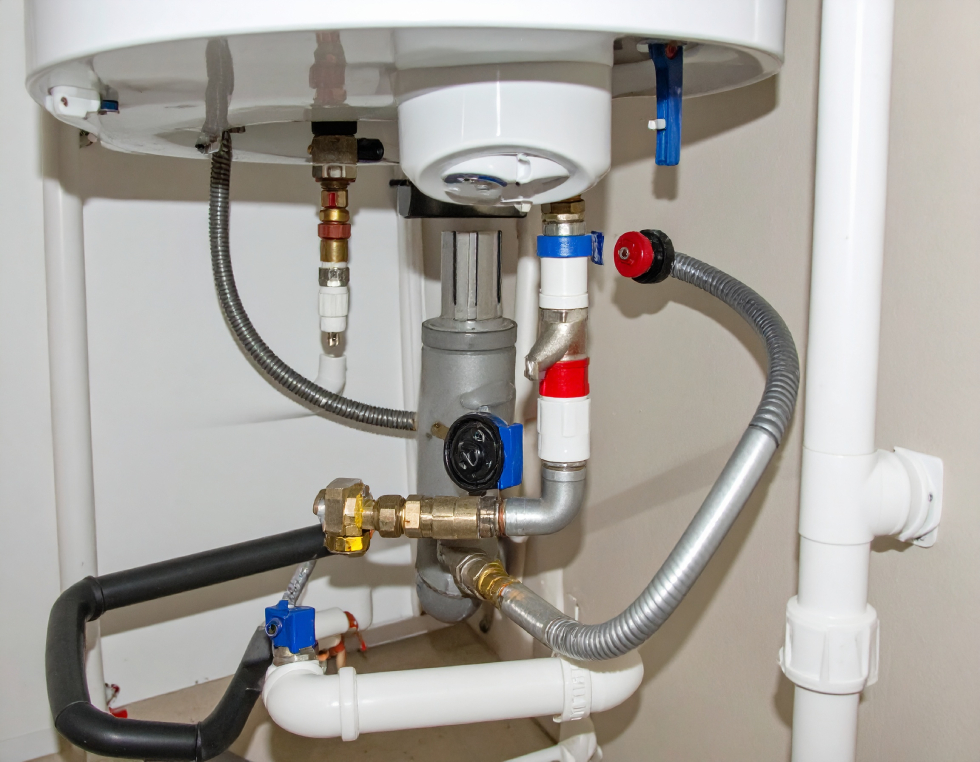
Did your water heater suddenly start popping, banging, hissing, or making noises you have never heard before?
It is easy to ignore at first, especially if the hot water is still working. But those sounds can be your water heater’s way of warning you that sediment, pressure changes, worn parts, or another problem is developing inside the system. What sounds harmless today can eventually lead to inconsistent hot water, higher energy bills, leaks, or a complete breakdown.
This guide explains what the most common water heater noises can mean, when water heater repair may be necessary, how regular maintenance can help prevent problems, and when a new installation may make more sense than another repair.
Why Is My Water Heater Making Noise?
Water heaters naturally make some sound while heating and moving water, but new, louder, or unusual noises deserve attention.
The cause can depend on the type of water heater, its age, how much sediment has collected inside it, and whether any parts are beginning to wear out.
Some of the most common causes include:
- Sediment buildup
- Restricted water flow
- Pressure changes
- Loose components
- Worn valves
- Heating element problems
- Aging internal parts
A professional Plumber can determine whether the noise is minor or a sign of a larger plumbing issue.
What Does a Popping or Rumbling Water Heater Mean?
Popping and rumbling usually point to sediment buildup inside a tank-style water heater.
Minerals in the water settle at the bottom of the tank over time. As the burner or heating element warms the water, small pockets of water can become trapped beneath that layer of sediment.
When the trapped water forces its way through the mineral buildup, it can create popping or rumbling sounds.
Sediment can also make the water heater work harder to heat the same amount of water. Over time, you may notice slower recovery, less hot water, or higher energy costs.
Regular maintenance, including flushing when appropriate, can help reduce buildup and keep the system operating more efficiently.
Why Is My Water Heater Banging or Knocking?
A banging or knocking sound may come from the water heater, but it can also come from the surrounding plumbing lines.
One common cause is water hammer.
Water hammer happens when moving water suddenly stops or changes direction, creating a pressure shock inside the pipes. You may hear it when a faucet shuts off, a washing machine changes cycles, or another fixture stops drawing water.
Repeated pressure shocks can strain:
- Pipe connections
- Fittings
- Valves
- Water heater connections
If the banging happens throughout the home, a plumber can check whether the issue is related to water pressure, loose pipes, or the water heater itself.
Why Is My Water Heater Hissing or Sizzling?
Hissing or sizzling can mean different things depending on the unit.
In electric water heaters, sediment can build up around the heating elements. Water trapped around those deposits may produce a sizzling sound as it heats.
In gas units, small amounts of condensation can sometimes create temporary sizzling near the burner.
Persistent hissing, however, may indicate:
- A leaking connection
- Water reaching a hot component
- A valve issue
- Excessive pressure
If you notice moisture around the unit or the sound keeps getting louder, schedule water heater repair before the problem spreads.
What Does a Screeching or Whistling Sound Mean?
A high-pitched whistle or screech often points to restricted water flow.
This can happen when water is being forced through a valve or opening that is not fully open.
Possible causes include:
- A partially closed valve
- Mineral buildup
- Restricted piping
- A worn valve
- Pressure-related issues
Do not start adjusting unfamiliar valves on the water heater, especially safety-related components.
A professional plumber can locate the restriction and determine whether the valve needs adjustment, cleaning, or replacement.
Why Does My Water Heater Make a Ticking Sound?
A light ticking sound is often less serious than popping or banging.
It can happen as pipes expand and contract when hot water moves through them. Pipes may also rub against brackets, framing, or nearby surfaces as their temperature changes.
Some water heaters also contain internal components that make occasional ticking sounds during normal operation.
The sound becomes more concerning when it is new, unusually loud, or happens along with:
- Leaks
- Pressure problems
- Temperature fluctuations
- Low hot water pressure
In those cases, the system should be inspected.
When Should You Call for Water Heater Repair?
A noisy water heater does not always need immediate repair, but noise combined with performance problems is more concerning.
Call for water heater repair if you notice:
- No hot water
- Hot water running out faster than usual
- Water temperature changing unexpectedly
- Leaks around the tank
- Rust-colored water
- Low hot water pressure
- Repeated breaker trips
- Pilot light or ignition problems
- A sudden rise in energy costs
These signs can indicate that the noise is connected to a failing component rather than normal operation.
Can Water Heater Maintenance Help Prevent These Problems?
Yes. Routine maintenance can help reduce many of the problems that lead to unusual water heater noises.
A professional maintenance visit may include:
- Checking the tank for leaks or corrosion
- Inspecting valves and connections
- Flushing sediment
- Checking the anode rod when applicable
- Inspecting heating components
- Testing temperature and pressure controls
- Checking gas or electrical connections
The goal is not only to keep the water heater quiet. Maintenance can also help the system heat more efficiently and identify worn parts before they cause a breakdown.
Should You Repair or Replace a Noisy Water Heater?
The answer depends on what is causing the noise and the condition of the unit.
Water heater repair may make sense when the system is still relatively young, and the problem involves a replaceable part, such as a valve, thermostat, heating element, or another component.
A replacement may be more practical when the unit is:
- Near the end of its expected service life
- Leaking from the tank
- Heavily corroded
- Breaking down repeatedly
- No longer providing enough hot water
- Becoming increasingly inefficient
A plumber can inspect the unit and help you decide whether another repair is worthwhile.
When Does New Water Heater Installation Make Sense?
A new installation may be the better choice when the existing water heater is no longer reliable or when repair costs are starting to add up.
Replacing the unit also gives you the chance to choose a system that better matches your household’s hot water needs.
Before installation, consider:
- Household hot water demand
- Tank or tankless options
- Available fuel source
- Energy efficiency
- Available installation space
- Existing plumbing and venting requirements
Proper installation is important because the size, connections, venting, and safety setup all affect how well the new system performs.
Stop Guessing What That Noise Means
Strange water heater sounds are easy to brush off when the hot water is still flowing, but they often provide an early warning that something needs attention.
Popping may point to sediment. Banging may be related to water pressure. Hissing can signal a leak or heating issue. Screeching may mean water flow is restricted.
The sooner the cause is identified, the easier it may be to prevent a larger repair.
Cisneros Brothers Plumbing, Electrical, Heating & Air provides professional water heater repair, maintenance, and installation services for homeowners dealing with noisy or unreliable water heaters.
If your system has started making unfamiliar sounds, contact Cisneros Brothers Plumbing, Electrical, Heating & Air, and have an experienced plumber inspect the problem before it turns into a bigger plumbing issue.

With Isaac Cisneros leading as President of Marketing, the company’s reach continues to expand, strengthening its presence in both the industry and the community.