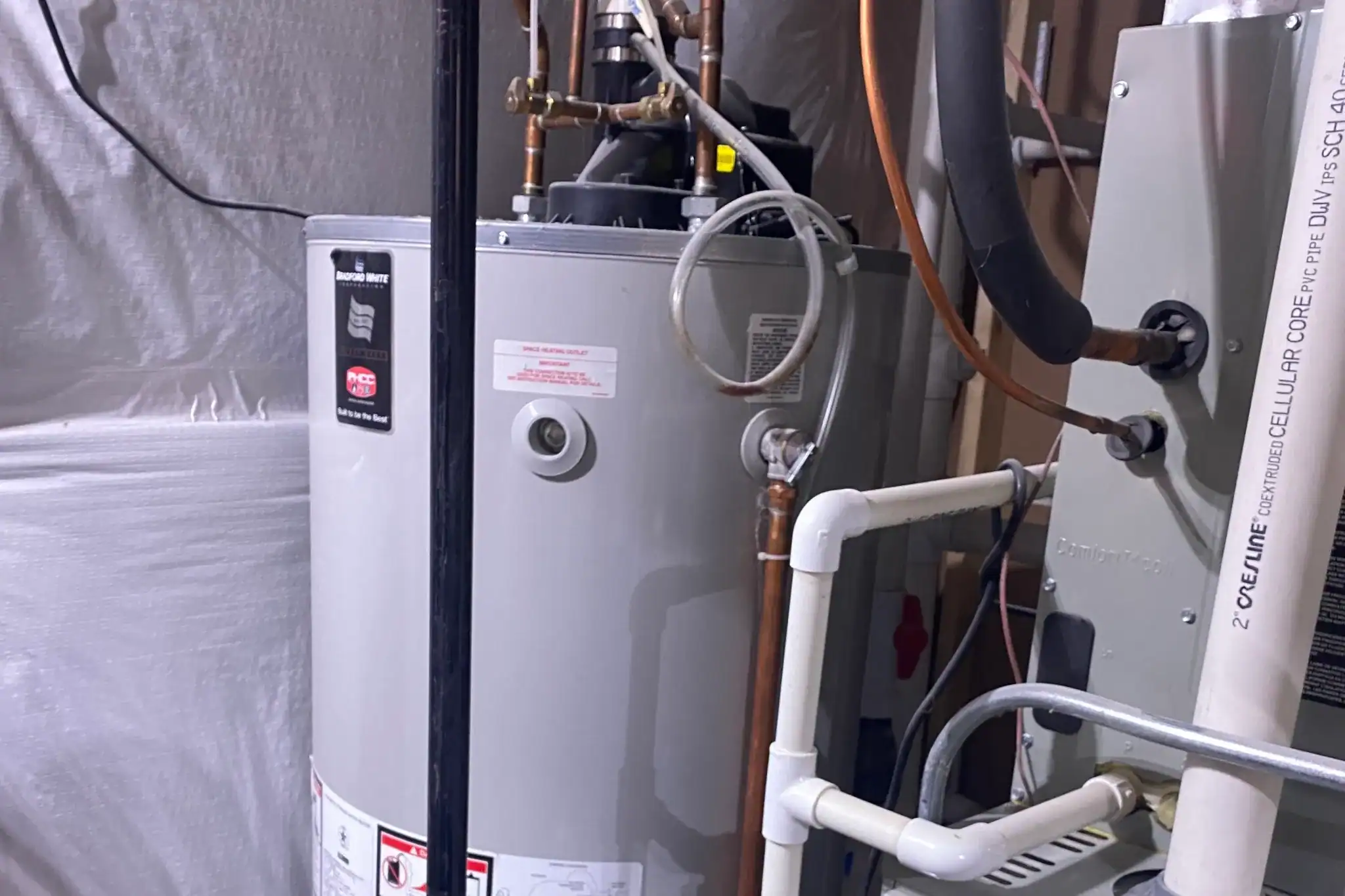
Three words that sound like they belong in the same conversation but actually mean very different things: repair, maintenance, and replacement.
When your water heater is acting up, which one applies depends on what is happening inside the unit and how far along the problem has progressed. The answer is rarely obvious from the outside.
A unit that is making noise might need a simple flush. Or it might need a heating element replaced. Or it might be showing early signs that the tank has reached the end of its useful life. Each of those situations calls for a different response at a different price point, and the wrong call in either direction costs you, either by replacing a unit that had years left in it or by repairing one that is going to fail again within months.
This blog explains how plumbers evaluate a water heater and decide whether the right path is maintenance, repair, or a full water heater installation. Understanding the decision process helps you ask better questions and avoid spending money on the wrong fix.
What Maintenance Covers and When It Applies
Maintenance is the preventive layer. It addresses the buildup and wear that naturally occur over time, before they cause a performance issue or a failure.
- The most important maintenance task for a tank water heater is flushing the sediment that accumulates at the bottom. Minerals from the water supply settle out during every heating cycle, and over time, that sediment hardens into a layer that insulates the burner or heating element from the water above it. Flushing the tank once a year removes this buildup and keeps the unit heating efficiently.
- The second key task is inspecting the anode rod. This is a metal rod inside the tank designed to attract corrosive elements in the water so they attack the rod instead of the tank walls. Once the rod is depleted, the tank becomes vulnerable to internal corrosion. Checking the rod every two to three years and replacing it when it is worn can add several years to the unit’s lifespan for a minimal cost.
- Testing the temperature and pressure relief valve is the third essential step. This valve is a safety device that releases water if the pressure or temperature inside the tank exceeds safe levels. Testing it annually confirms it is functioning correctly.
Maintenance applies when the water heater is operating normally and showing no signs of trouble. It is the work you do to keep it that way. If your plumber recommends maintenance, the unit is healthy enough that preventive care is all it needs right now.
What Repair Covers and When It Makes Sense
Repair addresses a specific component that has failed or is failing while the rest of the system remains viable.
Common water heater repairs include replacing a faulty thermostat, swapping out a worn heating element in an electric unit, replacing a leaking drain valve, fixing a malfunctioning T&P valve, and addressing pilot light or ignition issues on gas units. Each of these is a targeted fix that restores normal function without touching the rest of the system.
Repair makes sense when three conditions are met: the unit is young enough to have meaningful service life remaining, the rest of the system is in good condition, and the cost of the repair is well below what a replacement would cost.
A helpful threshold most plumbers use: if the repair costs more than half the price of a new water heater installation, replacement is usually the stronger recommendation. A $400 repair on a four-year-old unit that is otherwise healthy makes financial sense. A $400 repair on a unit that is eleven years old and has already had previous repairs is money spent extending the life of something that is approaching failure from a different direction.
The age of the unit is the single biggest factor in the repair-vs-replace decision. Most tank water heaters are designed to last 8 to 12 years with proper maintenance. A unit within the first half of that range that needs a component replaced is a solid repair candidate. A unit in the final quarter of its expected lifespan that is showing symptoms is often better served by replacement.
When Replacement Becomes the Right Call
Replacement is the path when the tank itself has failed, when the cost of keeping the unit running no longer justifies the investment, or when the unit has aged past the point where any repair offers a reliable return.
- Internal tank corrosion is the clearest signal. When the anode rod has been depleted, and the corrosive minerals have begun attacking the tank walls, rust-colored water on the hot side and moisture seeping from the base are signs that the tank is deteriorating from the inside. This type of damage cannot be repaired. The tank has lost its structural integrity, and a replacement is the only safe path forward.
- Frequent breakdowns are another strong indicator. If the water heater has needed multiple repairs in the past year or two, the system as a whole is declining even if each individual repair seemed reasonable at the time. The cumulative cost of those repairs, plus the ongoing risk of the next failure, often exceeds what a new water heater installation would have cost if it had been done when the pattern first started.
- Inefficiency that maintenance cannot resolve is the third trigger. A unit that takes too long to heat, runs out of hot water faster than it used to, or drives up the energy bill despite being flushed and serviced has likely degraded beyond what maintenance can restore. At that point, replacing the unit with a modern, more efficient system delivers better performance and lower operating costs from day one.
How a Plumber Evaluates the Situation
When a plumber arrives to assess a water heater that is underperforming, they are evaluating several things at once:
- Age vs. expected lifespan. Where the unit sits in its service life and how much time it realistically has left.
- Tank condition. Signs of corrosion, leaks, or structural compromise indicate internal deterioration.
- Component testing. The thermostat, heating element, T&P valve, and gas valve are each tested to isolate what is functioning and what has failed.
- Maintenance history. Whether the unit has been flushed regularly, whether the anode rod has been checked, and how consistently it has been maintained throughout its life.
- Recent performance changes. Shifts in hot water duration, recovery time, water quality, or energy costs signal declining efficiency.
All of that information feeds the recommendation. A plumber who takes the time to evaluate the full picture before recommending a path is one whose advice you can trust, because the recommendation is based on what the unit is actually showing rather than a default preference.
The Decision Matrix at a Glance
To make the comparison easy to reference:
- Maintenance applies when the unit is working well, and you want to keep it that way. The cost is low, the benefit is long-term, and it extends the system’s life.
- Repair applies when a specific component has failed but the rest of the system is sound, and the unit has enough remaining life to justify the cost.
- Replacement applies when the tank is corroded, the repairs are accumulating, the unit is past its expected lifespan, or the cost of the next repair approaches the value of a new installation.
Get the Right Answer for Your Unit
The difference between a plumber who recommends maintenance, repair, or replacement comes down to what they find when they evaluate the unit, not what option is most convenient or most profitable. When the assessment is thorough, the recommendation follows the evidence.
If your water heater is making noise, underperforming, leaking, or just getting old enough that you are wondering how much time it has left, Cisneros Brothers Plumbing, Electrical, Heating & Air can inspect the unit and give you an honest answer.
We have been helping homeowners across Southern California make water heater decisions for over 20 years, and we offer everything from water heater service and drain cleaning to full plumbing repair under one roof. Give us a call and let us take a look.

With Isaac Cisneros leading as President of Marketing, the company’s reach continues to expand, strengthening its presence in both the industry and the community.