Have you ever had an inspector point at something in your plumbing and say it needs to be corrected, and your first thought was, “Wait, it’s been like this the whole time?”
That’s how most homeowners learn about plumbing code violations, because a lot of them don’t cause obvious symptoms day to day.
The water still runs. The sink still drains. The toilet still flushes. So it’s easy to assume everything is fine. But code violations matter because they often sit behind the scenes and create the kind of problems people hate dealing with later, like recurring clogs, sewer smells, slow drains, or leaks that damage cabinets and flooring. They also show up at the worst possible time, like during a home sale or when a simple plumbing repair turns into a bigger job because something was installed incorrectly.
If you know what these common violations look like, you can spot red flags earlier and fix them on your timeline instead of being forced into it by an inspection or an emergency. In the sections below, we’ll break down the most common plumbing code violations plumbers find in homes and explain what they typically lead to if they are left alone.
Why Plumbing Code Violations Often Go Unnoticed
Plumbing codes are designed to protect water quality, prevent damage, and make systems safe to service. The problem is that many violations are hidden behind walls, under sinks, or in basements and crawl spaces.
Because everything appears to be working, homeowners assume the system is fine. In reality, these issues often come from old installations, DIY work, or outdated standards that were never corrected.
Missing or Improper Drain Traps
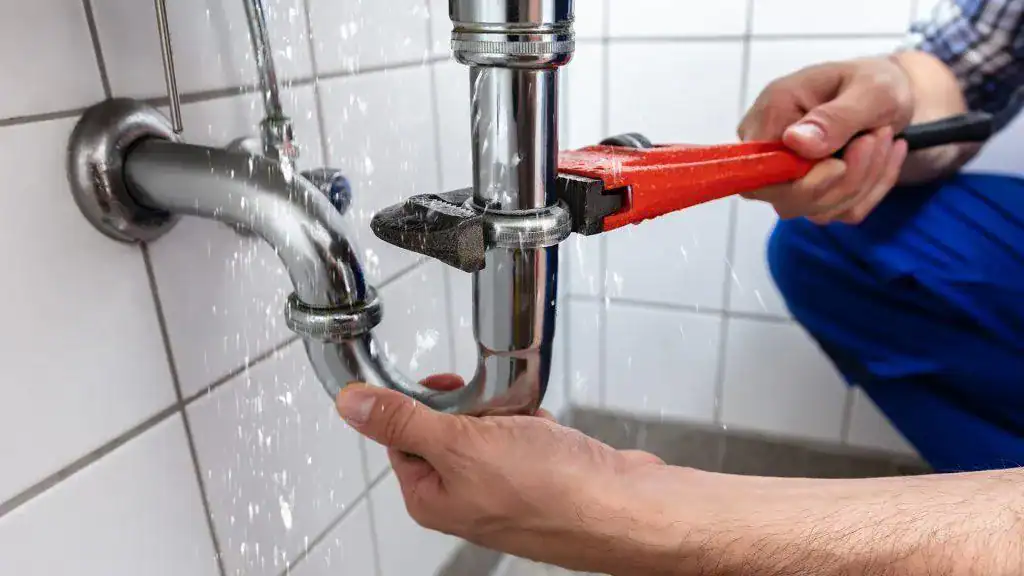
Drain traps are required to keep sewer gases from entering the home. When they are missing or installed incorrectly, the problem is not always obvious right away.
- Missing trap under a sink: Without a trap, sewer gases can travel back into the home, creating odors and potential health concerns.
- Improper trap configuration: Traps installed too far from the drain or at the wrong angle can siphon dry, allowing gases through.
- Use of unapproved fittings: Flexible or corrugated drain pieces are often used for convenience, but are not allowed in many plumbing codes because they trap debris and clog easily.
A plumber will check trap placement and materials to ensure the system vents properly and drains as intended.
Improper Venting of Fixtures
Plumbing vents allow air into the system so drains flow smoothly. When venting is incorrect, it causes slow drains, gurgling sounds, and recurring clogs.
- Fixtures without a proper vent: This can cause traps to siphon dry and allow sewer gas into the home.
- Improper vent connections: Tying vents together incorrectly can disrupt airflow and drainage.
- Use of unapproved air admittance valves: In some cases, these are installed where they are not allowed or without proper access.
Venting issues are one of the most common problems plumbers find during inspections.
Incorrect Pipe Slope on Drain Lines
Drain pipes rely on gravity to move waste. If the slope is wrong, waste does not move efficiently.
- Slope that is too flat: Water drains slowly, and solids can settle in the pipe, leading to blockages.
- Slope that is too steep: Water can outrun solids, leaving debris behind in the pipe.
- Improper support of drain lines: Sagging pipes change slope over time and create low spots that collect waste.
A correct slope is a basic plumbing requirement, but it is often done incorrectly during remodels or DIY work.
Missing Shutoff Valves Where Required
Shutoff valves allow water to be stopped quickly during repairs or emergencies. Many homes are missing them where codes require their use.
- No shutoff under sinks or toilets: This makes even simple plumbing repairs more disruptive than necessary.
- Inaccessible main shutoff valve: If the main valve cannot be reached easily, stopping water quickly becomes difficult.
- Outdated or non-functioning valves: Valves that no longer close fully are considered a violation in many cases.
A plumber will verify that shutoffs are present, accessible, and working properly.
Cross Connections That Risk Water Contamination
Cross connections allow non-potable water to mix with clean water. These are taken very seriously under plumbing codes.
- Hose bibs without backflow protection: This can allow contaminated water to be drawn back into the system.
- Improper connections to irrigation or auxiliary systems: These setups often require additional protection to meet code.
- Missing vacuum breakers: These are required on many outdoor fixtures to protect water quality.
These violations are not always visible but can pose real health risks.
Using Materials That Are No Longer Code Compliant
Plumbing codes change over time. Materials that were once common may no longer be allowed.
- Outdated pipe materials: Certain plastics or metals are no longer approved for new installations.
- Improper transition fittings: Mixing materials without approved fittings can lead to leaks and corrosion.
- Unrated components: Parts not designed for potable water can introduce contamination or fail prematurely.
A plumber familiar with current codes can identify these issues quickly.
Why These Violations Matter Even If Nothing Is Wrong Yet
Most homeowners only learn about code violations when selling a home, remodeling, or dealing with a major plumbing issue. At that point, corrections are often required before work can continue.
Catching these problems early keeps plumbing repairs simpler and helps avoid delays, rework, or unexpected costs later.
A Practical Way to Handle It
If your home has had past plumbing work, additions, or DIY repairs, it is worth having the system checked for common violations. This does not mean tearing walls open. Many issues can be identified through visual inspection and testing.
Cisneros Brothers Plumbing, Electrical, Heating & Air works with homeowners to identify plumbing code issues and correct them before they turn into bigger problems. A plumber can explain what is out of code, why it matters, and what needs to be addressed so the system stays safe and functional.

With Isaac Cisneros leading as President of Marketing, the company’s reach continues to expand, strengthening its presence in both the industry and the community.